Technical Information
Brand, model, capacity and technical documents will be published after company verification.
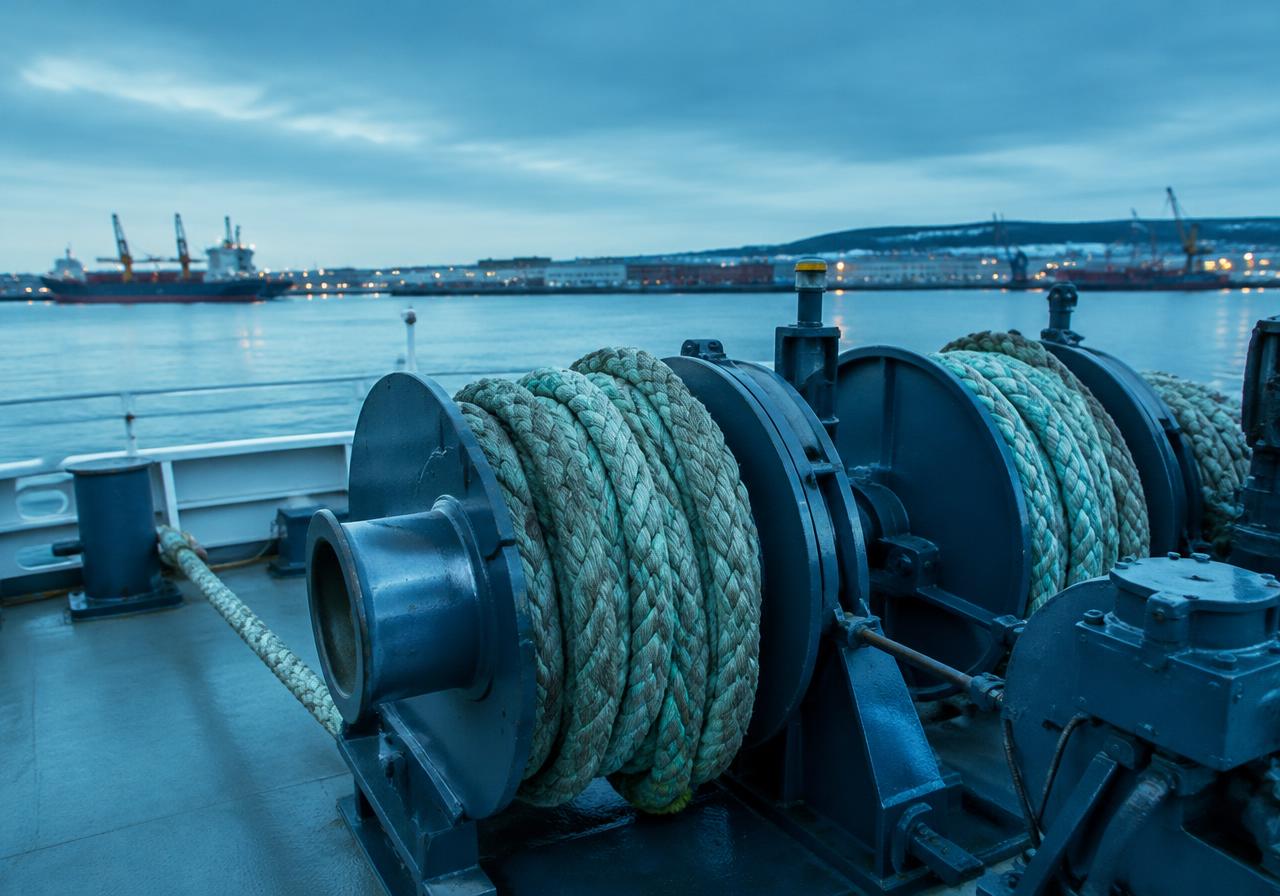
Mooring winches keep lines at the right tension during berthing and port stay. Tension constantly changes with tide, loading and wind; auto-tension systems compensate.
Correctly setting brake holding capacity relative to line breaking load is essential for the safety of crew and shore personnel.
Types and Options
01
Single Drum
Compact layout.
02
Double Drum
Manage two lines independently.
03
Split Drum
Separate tension and storage sections.
04
Auto-Tension
Balances tension automatically.
Key Features
- —Auto-tension options
- —Single or double drum
- —Warping heads
- —Brake holding capacity tests
Typical Applications
- —Tankers and bulk carriers
- —Ro-Ro vessels and ferries
- —Port and offshore structures
What We Supply
- —New equipment supply and project engineering
- —Overhaul and modernisation of existing equipment
- —Original and equivalent spare parts
- —Installation, commissioning and load test support
General Technical Information
Values are general ranges; exact figures depend on the project and equipment model.
| Parameter | Typical Range |
|---|---|
| Rated pull | 5 – 40 t |
| Brake holding | Set per line MBL |
| Drive | Hydraulic / electric |
Common Fault Symptoms
- —Insufficient holding in brake test
- —Uneven spooling on drum
- —Hydraulic motor leakage
Related Pages
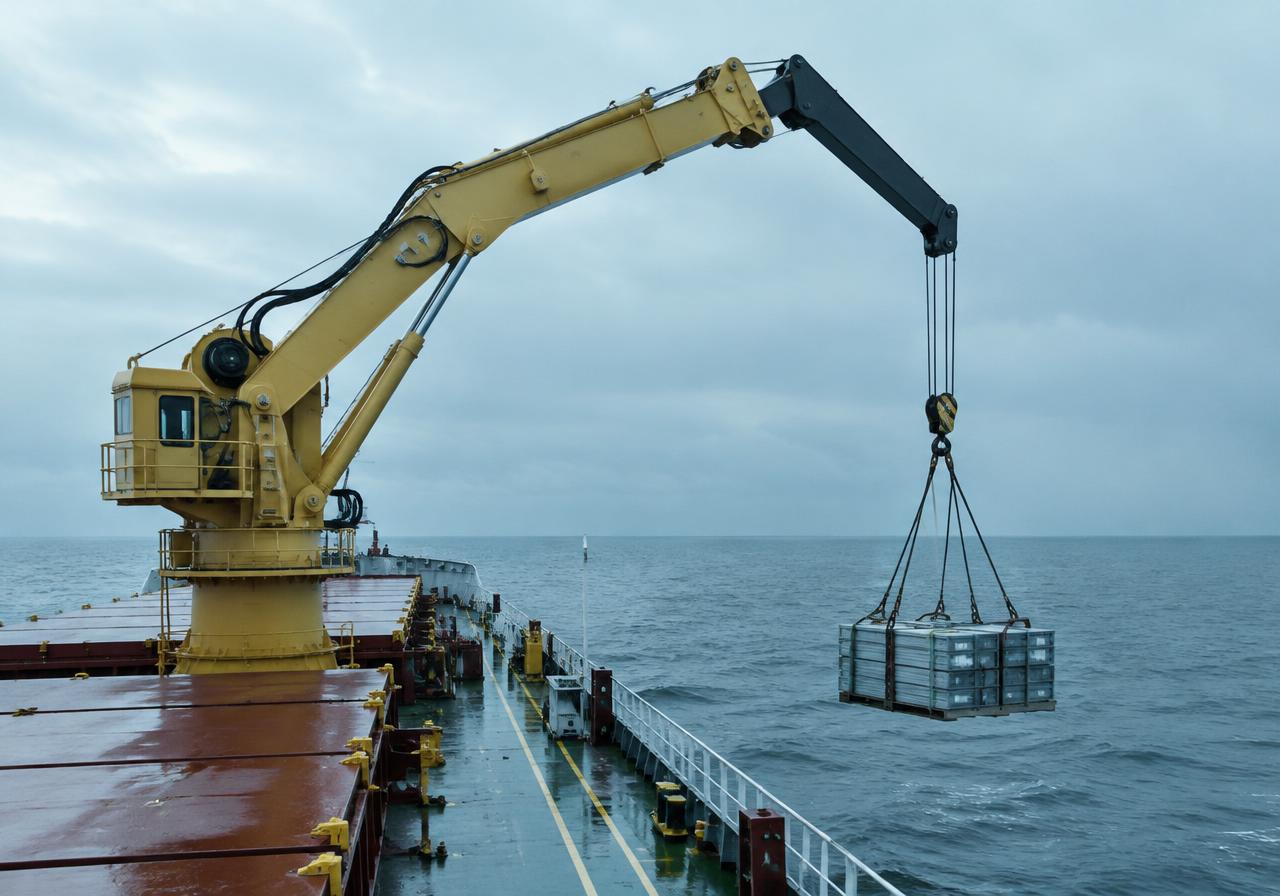
Deck Cranes
Deck cranes for cargo and provision handling.
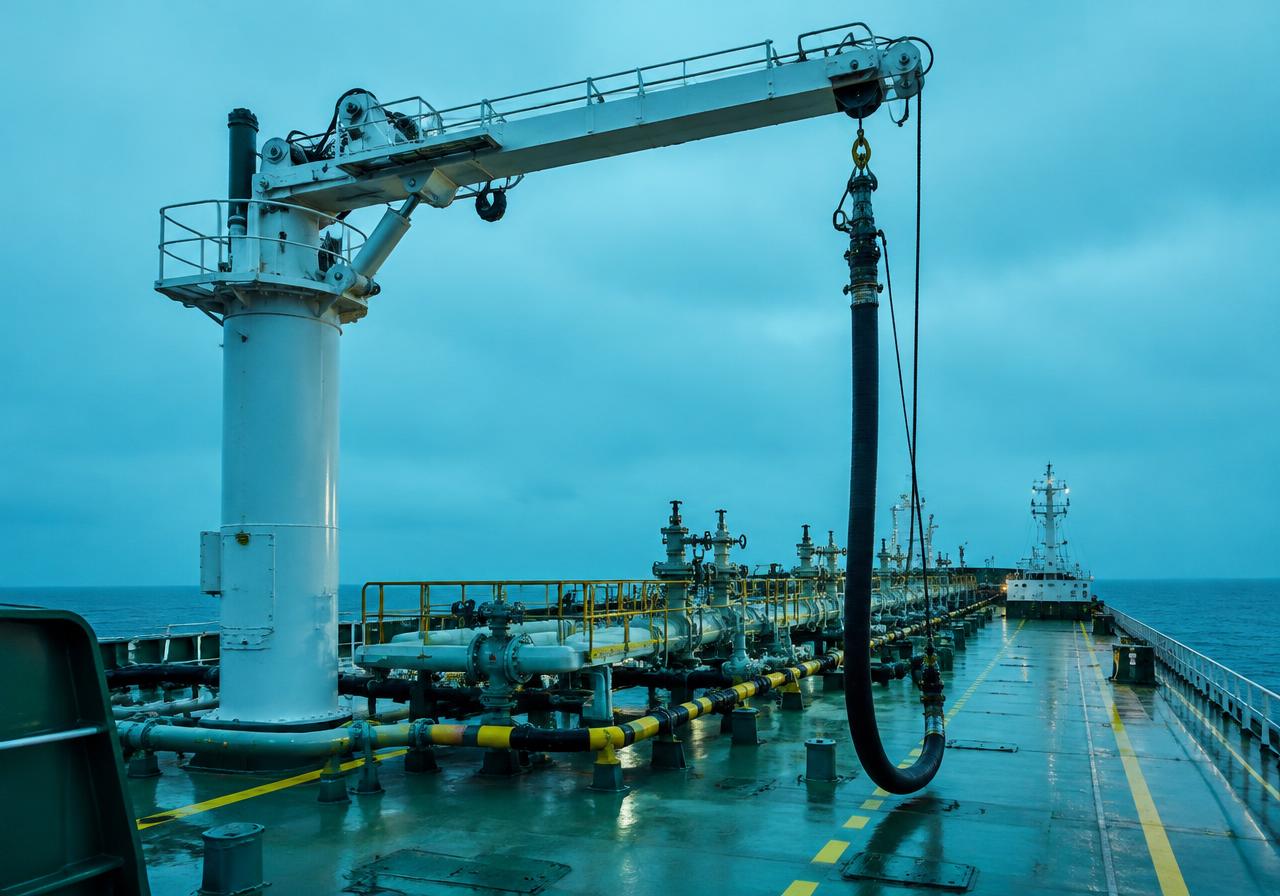
Hose Cranes
Hose cranes for tanker and bunkering operations.
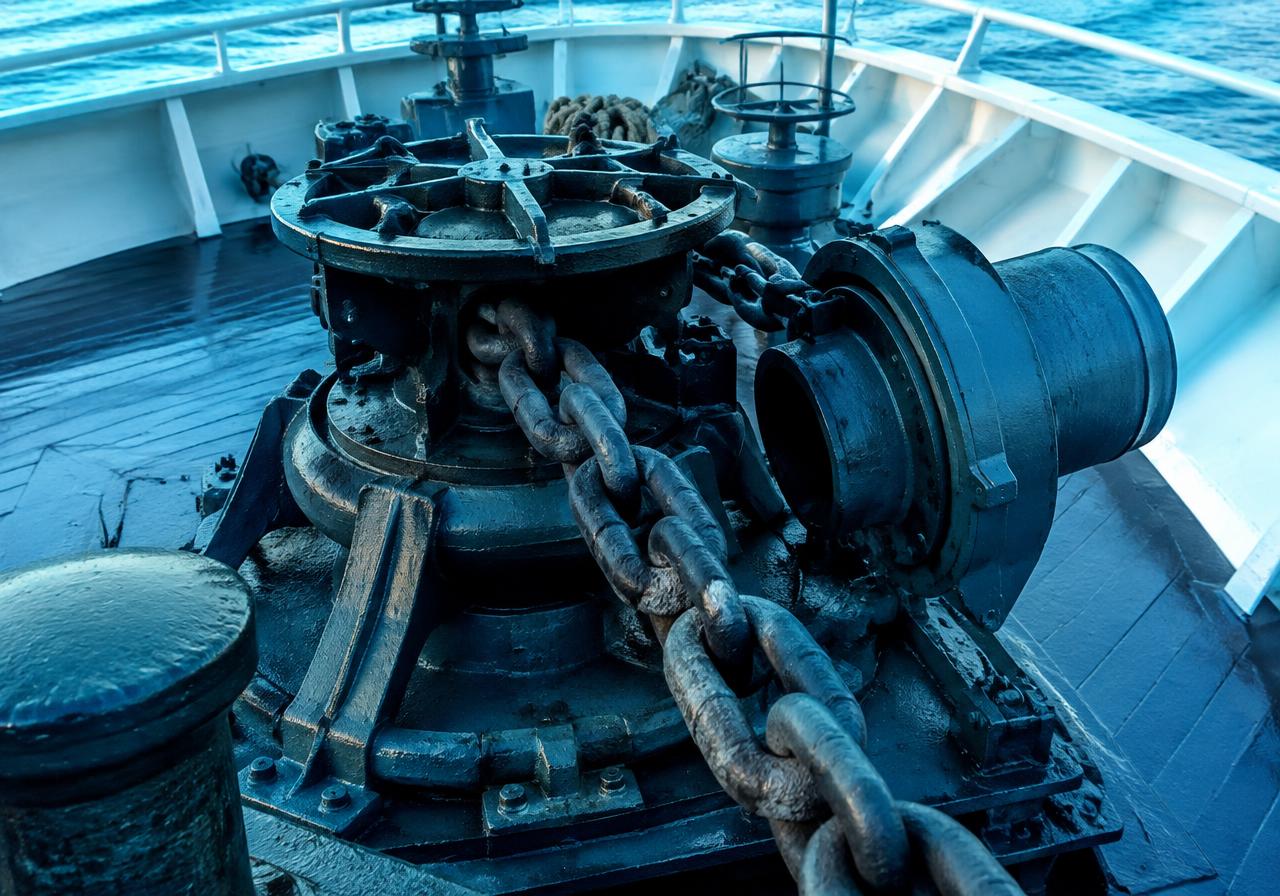
Windlasses
Windlass systems for anchoring operations.
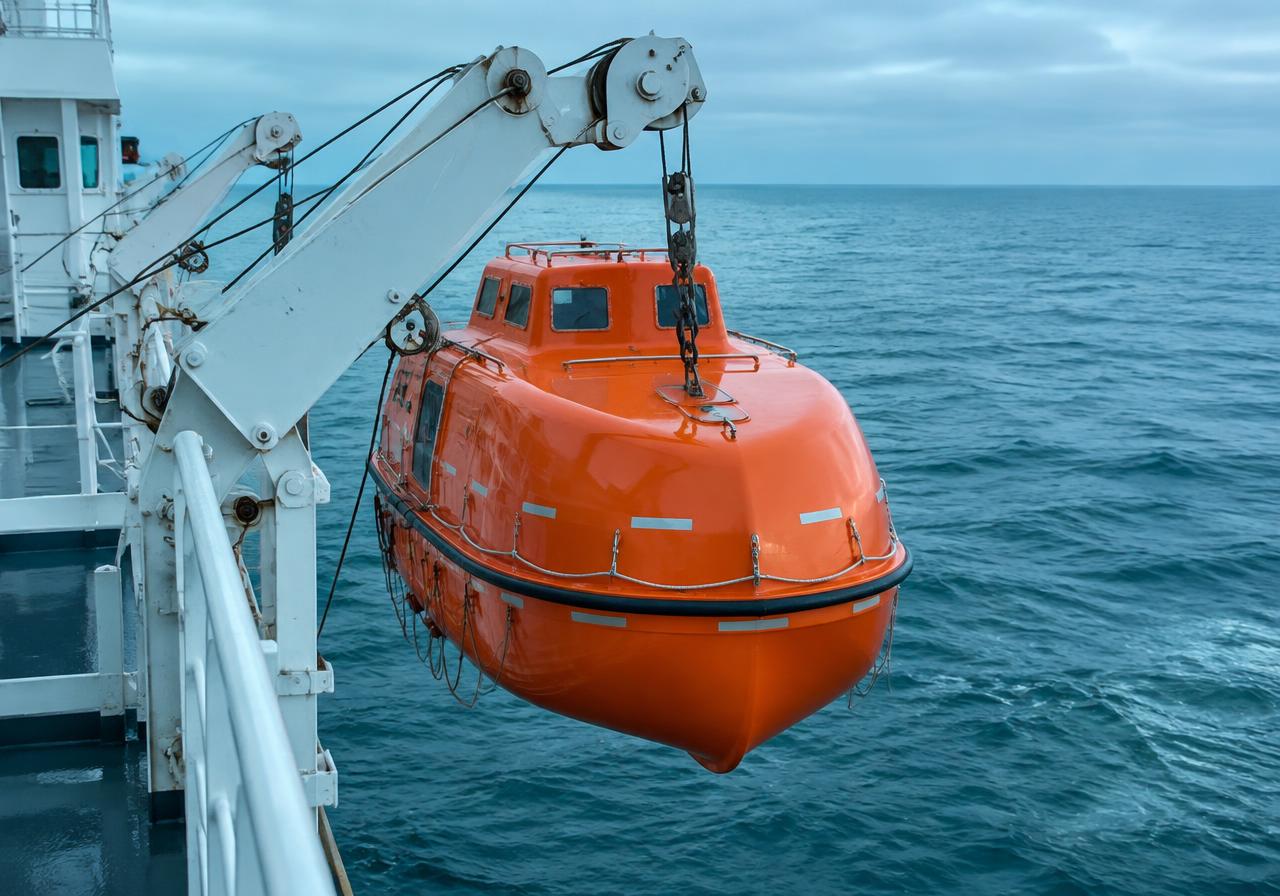
Lifeboat Davit Systems
Lifeboat launching and recovery systems.
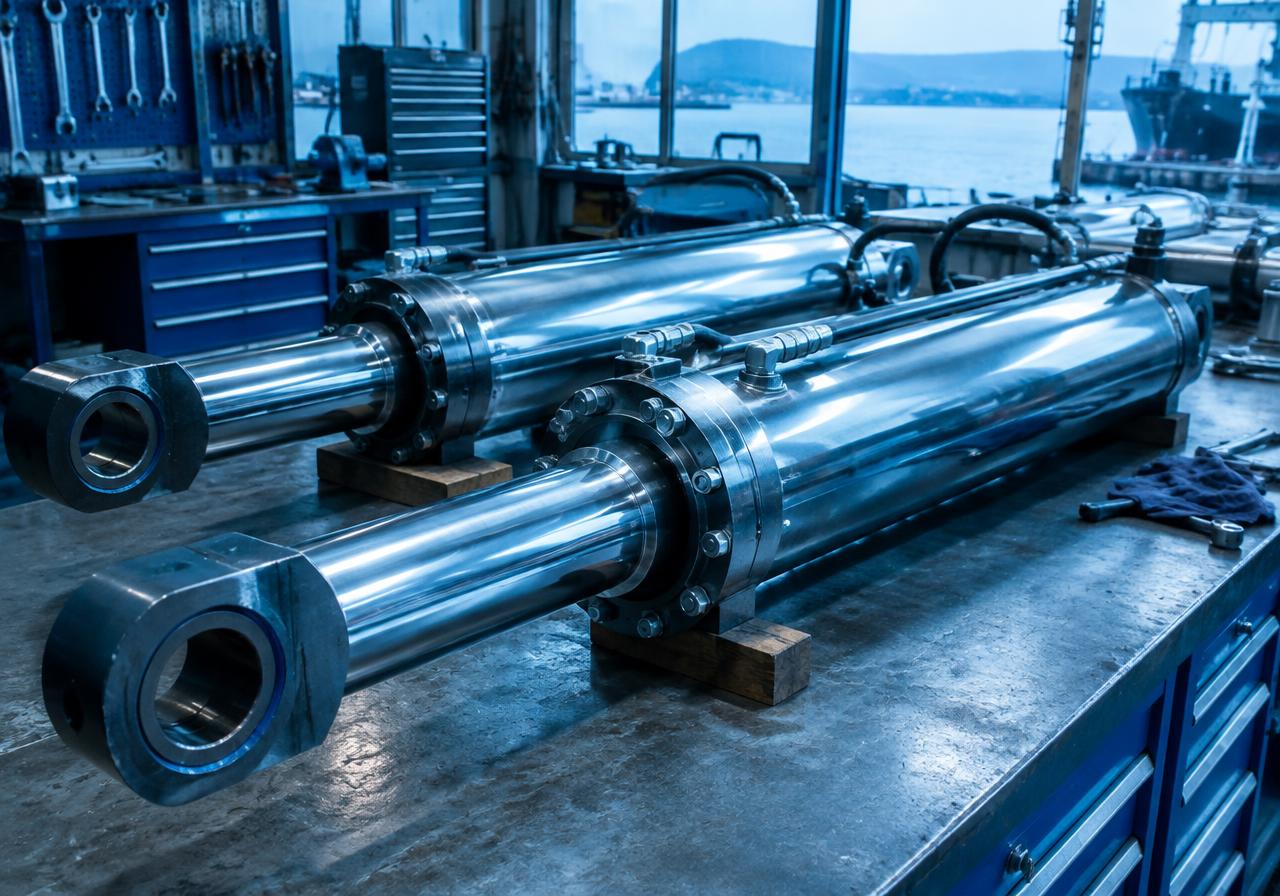
Hydraulic Cylinders
Hydraulic cylinders for marine applications.
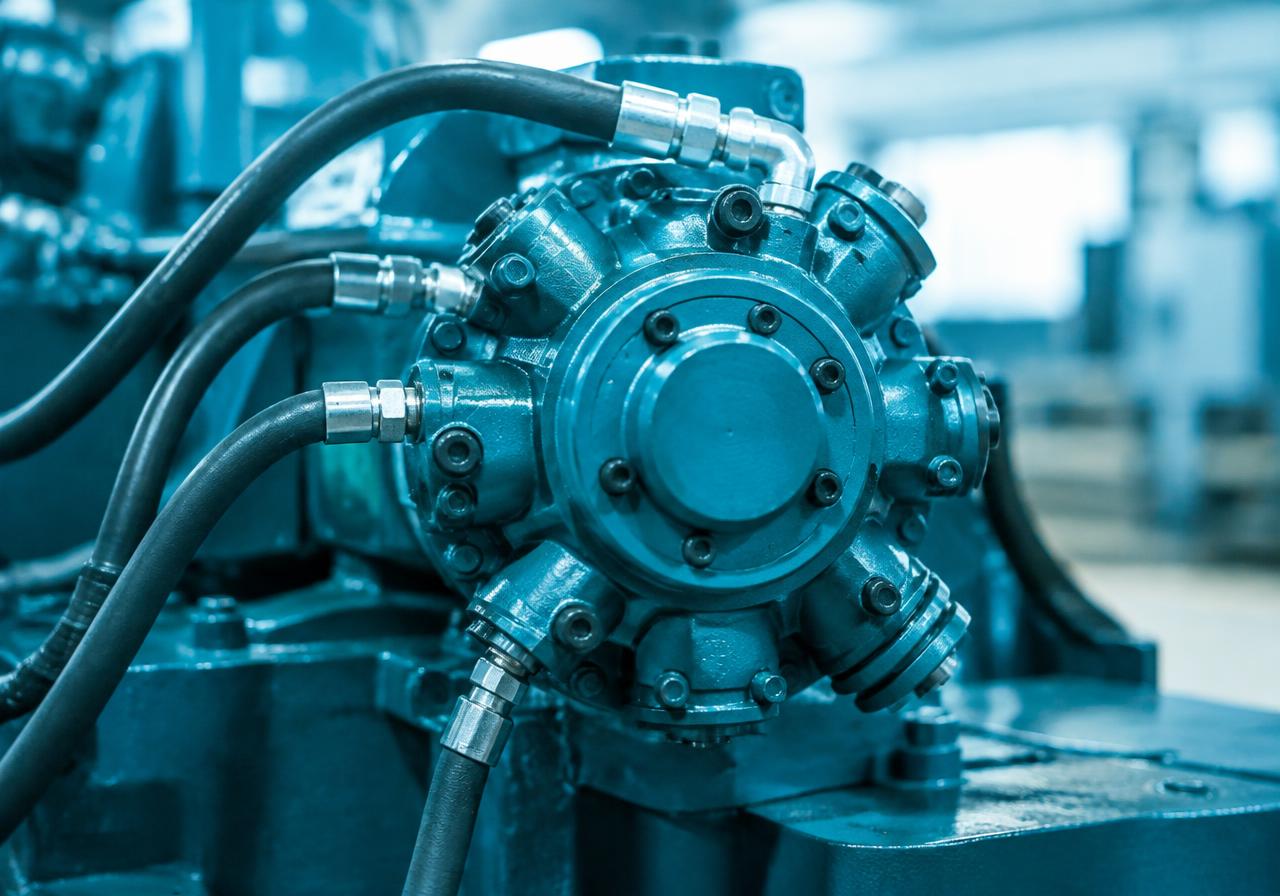
Hydraulic Motors
Hydraulic motors for cranes and winches.