Technical Information
Brand, model, capacity and technical documents will be published after company verification.
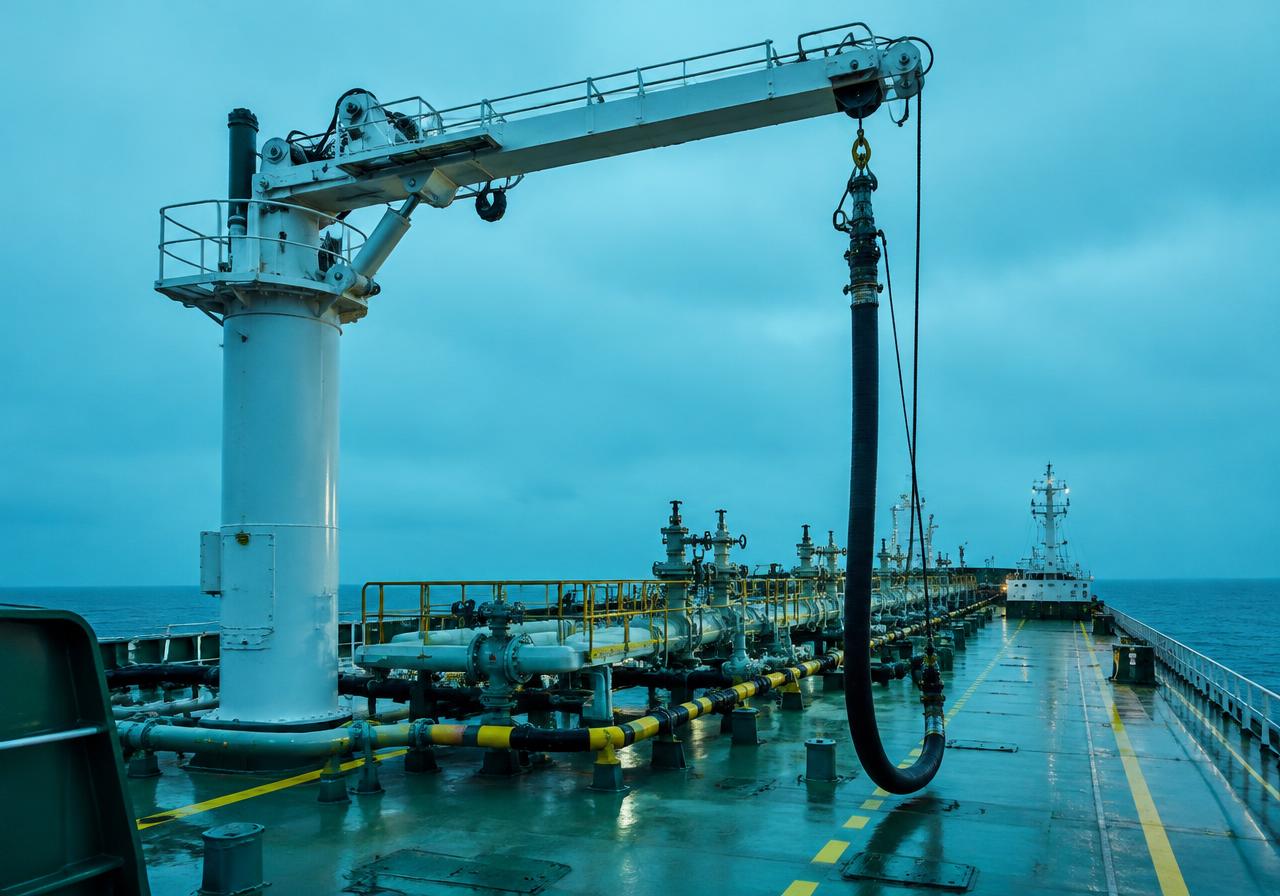
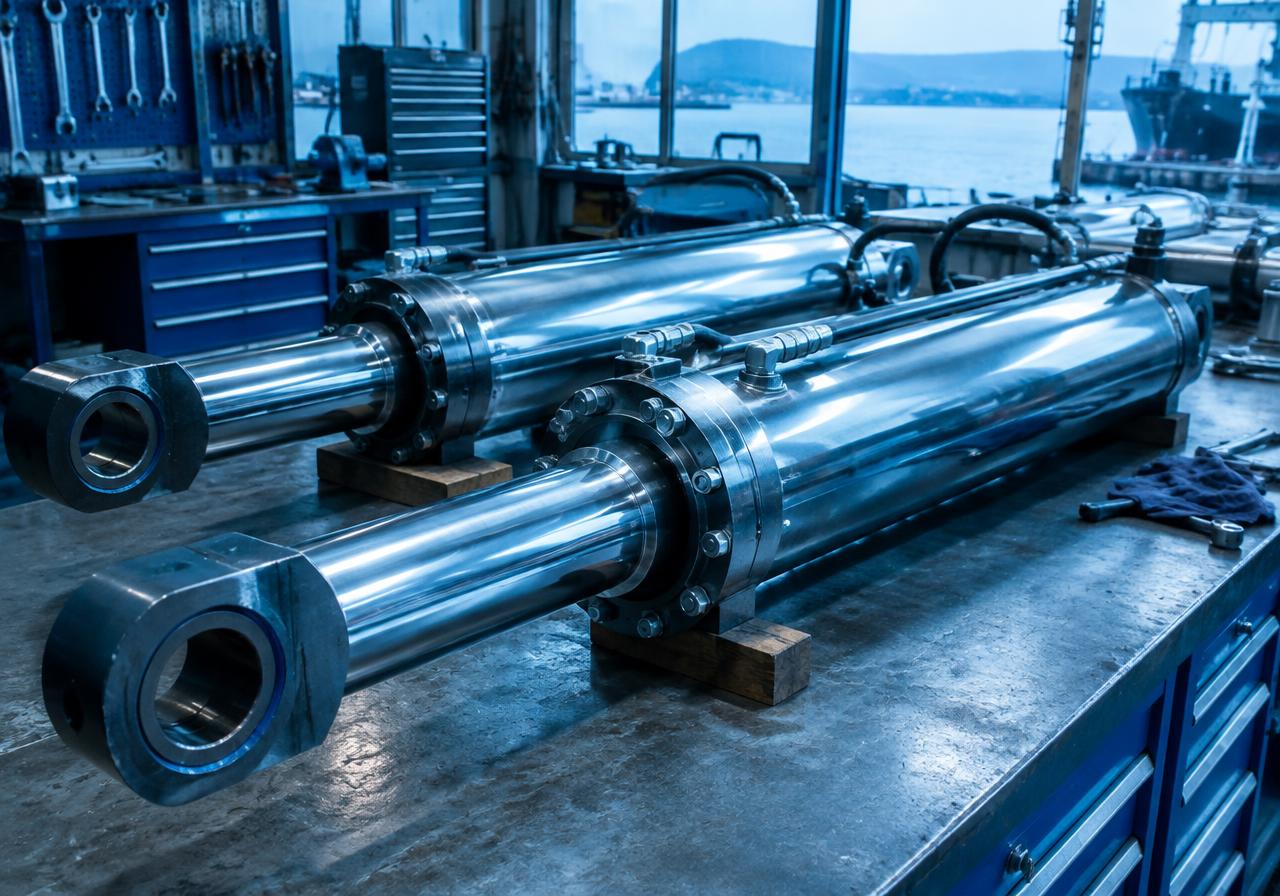
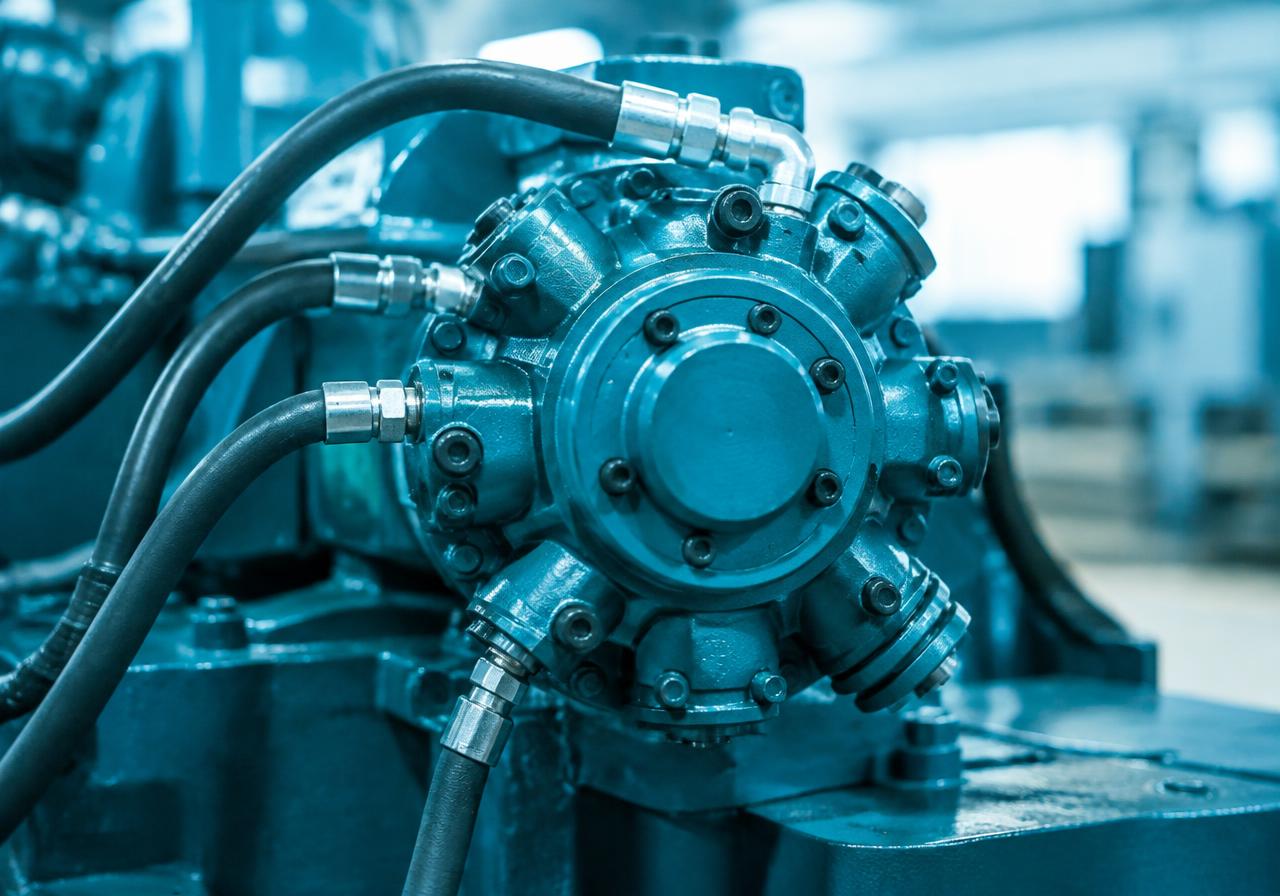
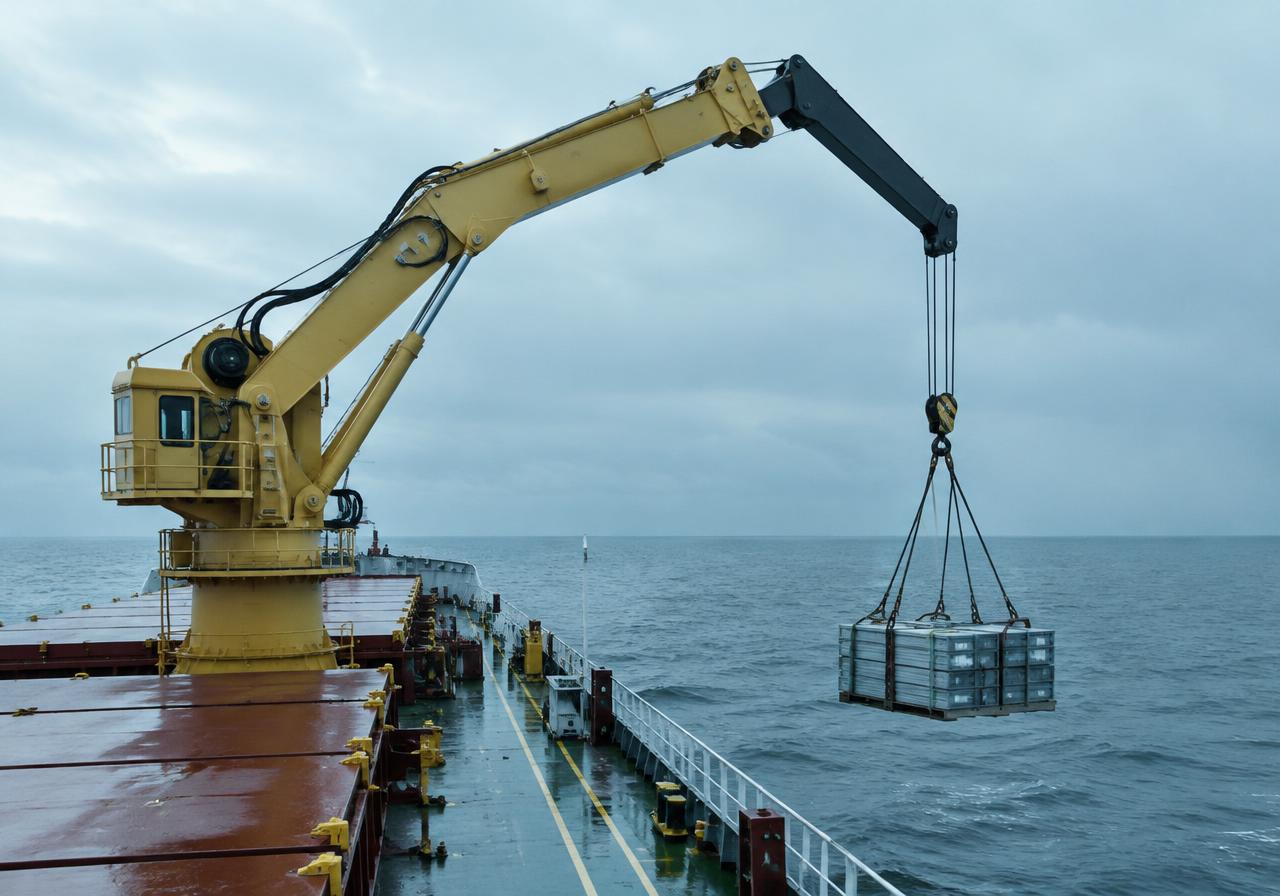
Deck cranes are among the hardest-working equipment on a vessel, handling cargo, provisions, spares and service loads. In electro-hydraulic systems an electric motor drives a hydraulic pump, which feeds pressurised oil to the motors and cylinders that perform hoisting, luffing and slewing.
Selecting the right crane depends on safe working load, outreach, deck layout and operating frequency. For existing cranes, overhaul and modernisation can significantly extend service life.
Types and Options
Telescopic Boom
Long outreach with a compact stowed position.
Knuckle Boom
Precise load placement in tight areas.
Fixed Boom
Simple design, easy maintenance.
Provision Crane
For provisions and light service loads.
Key Features
- —Electro-hydraulic drive
- —Telescopic or knuckle boom options
- —Overload and emergency stop protection
- —Marine-grade corrosion protection
Typical Applications
- —Bulk and container vessels
- —Provisions and service loads
- —Offshore support vessels
What We Supply
- —New equipment supply and project engineering
- —Overhaul and modernisation of existing equipment
- —Original and equivalent spare parts
- —Installation, commissioning and load test support
General Technical Information
Values are general ranges; exact figures depend on the project and equipment model.
| Parameter | Typical Range |
|---|---|
| Safe working load | 1 – 40 t (project-based) |
| Outreach | 8 – 30 m |
| Drive | Electro-hydraulic |
| Slewing | 360° continuous or limited |
Common Fault Symptoms
- —Boom drifting or creeping under load
- —Knocking or noise when slewing
- —Hydraulic oil overheating
- —Leaks at cylinders and hoses
Related Pages